Your Complete Guide to Living in Chiang Mai's Best Neighborhoods
Choosing the right neighborhood in Chiang Mai is crucial for your lifestyle and happiness. Whether you're a digital nomad seeking coworking spaces, an expat looking for international community, a retiree wanting peaceful living, or a family needing schools and parks, Chiang Mai offers distinct neighborhoods tailored to every lifestyle and budget.
This comprehensive guide explores Chiang Mai's most popular areas for expats and long-term residents. From the modern convenience of Central Festival to the trendy cafes of Nimmanhaemin, from the cultural richness of the Old City to peaceful suburban Hang Dong, each area offers unique advantages for different lifestyles. Understanding rent prices, transportation options, amenities, and local culture will help you make the perfect choice for your Chiang Mai living experience.
What Makes Chiang Mai Perfect for Long-Term Living?
- Affordable Cost of Living: Rent, food, and utilities significantly cheaper than Bangkok or Western cities
- Digital Nomad Hub: Excellent WiFi, countless coworking spaces, and thriving remote work community
- Quality Healthcare: International hospitals with English-speaking doctors at affordable prices
- Pleasant Climate: Cool season (Nov-Feb) offers comfortable temperatures perfect for outdoor activities
- Rich Culture: Temples, festivals, traditional markets, and authentic Thai experiences
- International Community: Large expat population from USA, UK, Australia, Europe, and Asia
- Excellent Food Scene: From 40 baht street food to world-class fine dining restaurants
- Easy Visa Options: Tourist visas, education visas, and retirement visas readily available
Choose Your Ideal Chiang Mai Neighborhood
Each neighborhood below includes detailed information about lifestyle, rent prices, transportation, dining options, shopping, healthcare access, and community vibe. Click through to discover which area matches your ideal Chiang Mai living experience.
Chiang Mai Neighborhoods Map
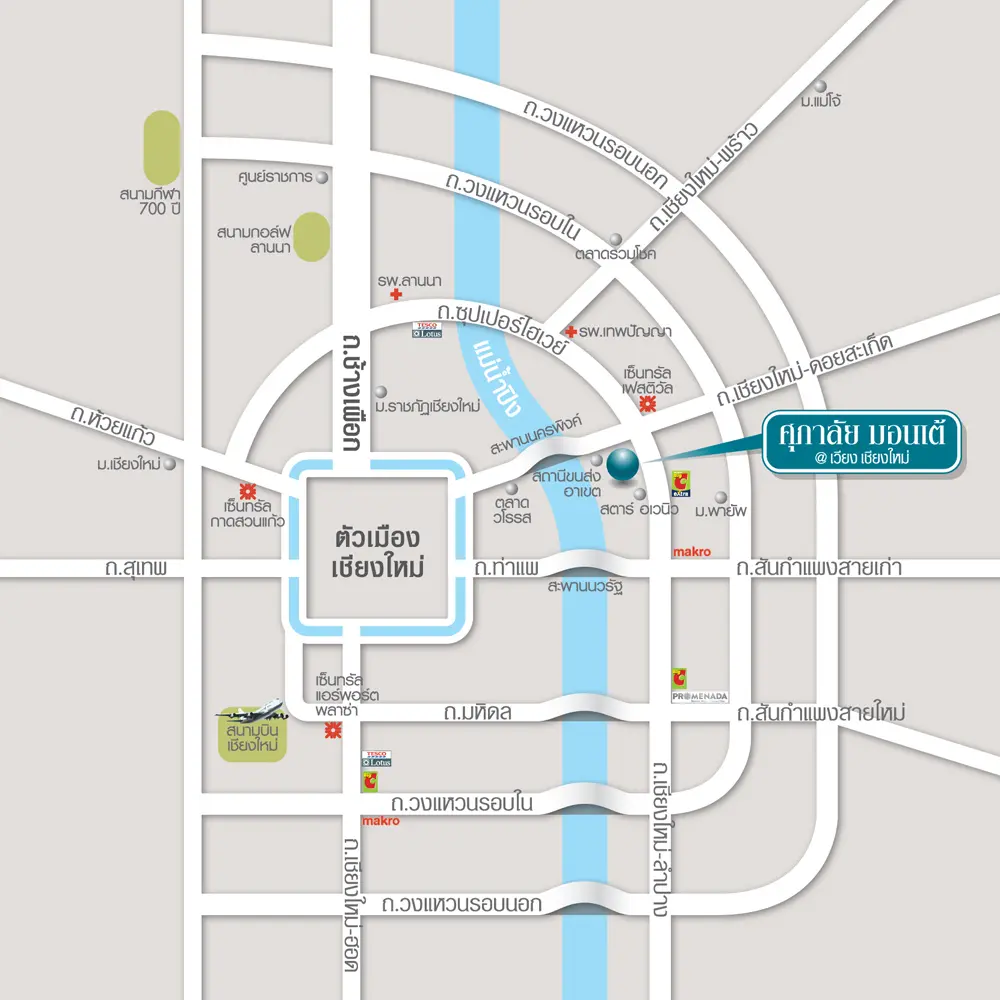
Central Festival

Urban Convenience
The Central Festival area is one of Chiang Mai's most convenient and fast-growing residential zones. Anchored by Central Festival Mall, it offers immediate access to shopping, dining, entertainment, and daily services—making it ideal for modern city living.

Shopping & Lifestyle
Home to Central Festival Chiang Mai, the city's largest shopping mall, featuring international brands, supermarkets, cinemas, cafes, restaurants, and coworking-friendly spaces. Everything you need is just minutes from home.

Strategic Location
Located along the Super Highway, this area provides quick access to the Old City, Nimman, Bangkok Hospital, and Chiang Mai International Airport. A practical choice for professionals, expats, and long-term residents seeking connectivity without city-centre congestion.
Nimman (Nimmanhaemin)

The Trendy Hub
Nimman is Chiang Mai's hippest neighbourhood, packed with boutique cafes, coworking spaces, art galleries, and designer shops. Popular with digital nomads, expats, and young professionals.

Dining & Nightlife
Home to Maya mall, One Nimman, Think Park, and hundreds of restaurants ranging from street food to fine dining. Vibrant bar scene and rooftop venues.

Modern Living
Mix of modern condominiums and boutique apartments. Easy access to CMU, international schools, and major shopping. Most expensive area but highly convenient.
Old City (Walled City)

Cultural Heart
Ancient walled city with over 30 temples, traditional Lanna architecture, and deep cultural roots. Walking distance to Sunday Walking Street market and major temples.
Traditional Lifestyle
Mix of traditional Thai life and tourist attractions. Weekend walking streets, local markets, guesthouses, and traditional Thai restaurants. Lower rent than Nimman.

Living Options
Mostly traditional houses, converted guesthouses, and low-rise apartments. Limited modern condos. Perfect for those seeking authentic Thai experience and temple life.
Hang Dong

Peaceful Suburban
Quiet suburban area popular with families and retirees. Larger properties with gardens, traditional houses, and newer developments. More space for your money.

Nature & Lifestyle
Access to Baan Tawai handicraft village, furniture workshops, and organic farms. Popular with expats seeking quiet country living near the city.

Transport Needs
Own transportation necessary. Limited public transit but peaceful environment. Growing expat community with local markets and Thai restaurants.
Riverside & Ping River Area

Trendy Riverside
Hip cafes, craft beer bars, boutique hotels along the river. Mix of traditional wooden houses and modern developments. Growing arts and design scene.

Accommodation Style
Converted traditional homes, boutique guesthouses, and new condo developments. Popular with creative professionals and those seeking riverside lifestyle.

Outdoor Activities
Riverside cycling paths, kayaking, riverside restaurants. Near Warorot market and Chiang Mai Night Bazaar. Balance of nature and urban convenience.
Santitham

Hipster Alternative
Up-and-coming neighborhood with indie cafes, vintage shops, and local eateries. More affordable than Nimman but similar vibe. Popular with long-term expats.

Residential Character
Mix of Thai families and expats. Small guesthouses, apartments, and traditional houses. Genuine local feel with growing cafe culture.
Central Location
Easy walk to Old City, JJ Market, and Chang Phueak Gate. Near Chiang Mai University. Good value for money with convenient location.
Mae Rim

Luxury Estates
Upscale area with luxury villas, resort-style living, and gated communities. Popular with wealthy expats and retirees seeking privacy and space.

Nature & Adventure
Near elephant sanctuaries, zip-lines, waterfalls, and mountain resorts. Beautiful scenery with rice paddies and mountain views. Popular day trip destination.

Remote Living
Requires personal transportation. Limited services but growing expat community. Perfect for those prioritising space, nature, and tranquillity over urban convenience.
San Kamphaeng

Handicraft Hub
Famous for traditional handicrafts - silk, ceramics, silverware, and wood carving. Artisan workshops and factories line the main road. Cultural shopping destination.

Hot Springs & Spas
Natural hot springs, spa resorts, and wellness centres. Quieter alternative for those seeking relaxation and traditional Thai culture away from tourist crowds.

Affordable Living
Lower cost of living than city centre. Mix of Thai locals and small expat community. Good option for budget-conscious residents comfortable with Thai lifestyle.